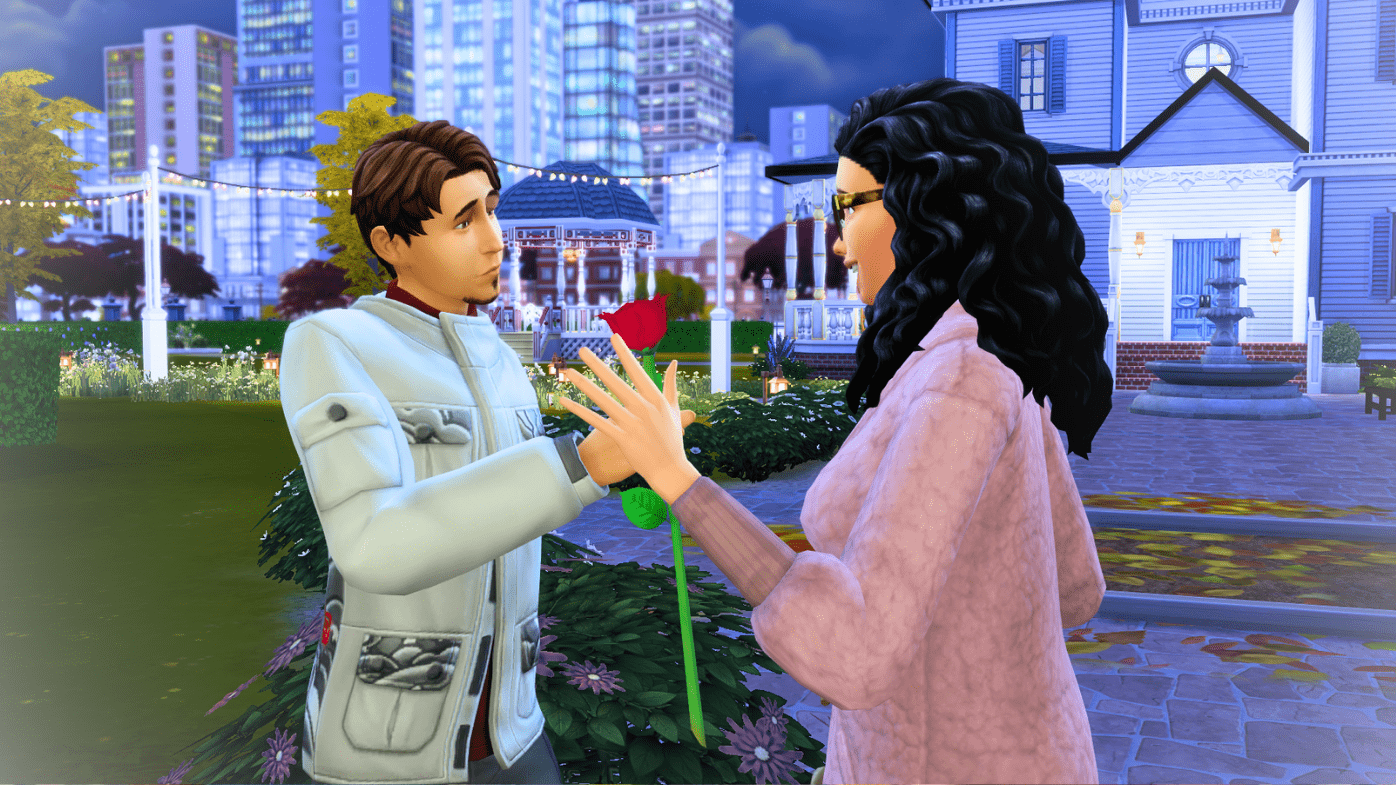
From creating my Sim-self to them getting married takes about 30 minutes — 45 if I’m not trying to speedrun the process. In real life? I get ghosted after two texts and a mildly unhinged meme (if they can’t handle my egregious humour, they don’t deserve me).
OK, maybe that’s a bit of an exaggeration. But as a newly single gamer in her 30s, I’m looking down the barrel of another decade of dating apps and group chats and wondering: why are relationships in video games so much easier than in real life? And, more importantly, is there something I can learn from them? A formula my ASD brain can actually work with and successfully navigate?
READ MORE: The Aussie Wildlife of Death Stranding 2: On The Beach
Video Game Logic
In The Sims you hug twice, compliment them, say a flirty joke, and suddenly you’re soulmates. In Animal Crossing, a villager gives you a sweater and now you’d die for them. In Fire Emblem, shared trauma is a foundation for marriage. In Stardew Valley, I gave a stranger a rock I found in a cave and they married me. In real life, that’s called “being served a restraining order.”

Compare these formulas to real life, where it takes six weeks of meme exchanges, two-dozen overthought messages, and a full council debrief just to define what the hell “hanging out” means. Are we “hanging out” or “hanging out?”
READ MORE: Review | Donkey Kong Bananza: ‘Imperfect Masterpiece’ (NS2)
In Animal Crossing, you give a villager some fruit and they like you more. In real life, you give your coworker an apple and they give you a quizzical look. If only life were as simple as video games.

Coded For Gratification
Emotional intimacy should come with a progress bar. I want to visibly see how I’m doing. Every interaction should have a tooltip, or at least a floating “+5 Affection” notification. The Sims has this kind of system and UI down to an art. Clear systems, predictable responses, and a safe space to test and retry without social ruin (just save and reload baby, it’s as easy as that).
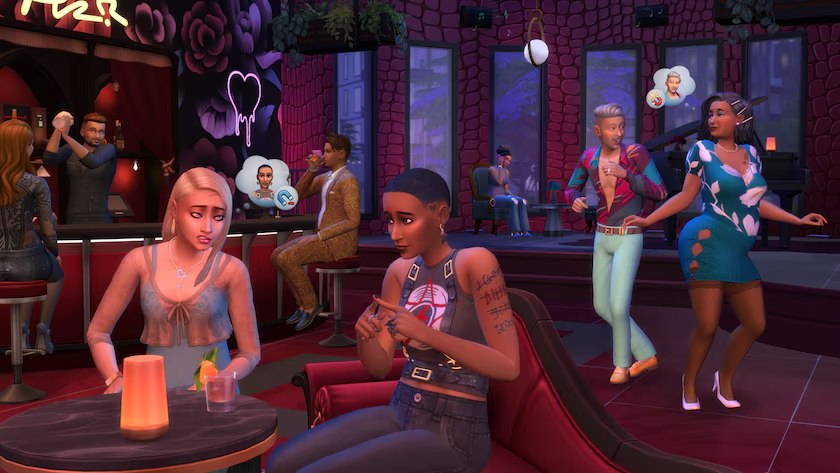
Games have measurable progress, predictable responses (most of the time), and create a safe space for trial and error. If anything, games (both video and table-top; think Dungeons & Dragons) are underrated tutorials for real life. When I worked as a therapist in primary schools, I would use TTRPGs I created from scratch to run groups of ASD and ADHD kids through social situations and create a safe space for them to trial interactions. It gave them something reality often doesn’t: structure, a map, and a system they could understand. And it worked.
READ MORE: Review | Gaucho and the Grassland (PC)
What Could We Learn
While life would be much simpler if it was a video game, the reality is that we live in, well, reality. While we might not have relationship systems and easy-to-interpret UI, what if we could adopt some of those systems? Imagine if relationships came with:
- Clearer expectations
- Consistent check-ins
- Repetition = trust
- Honest, structured interaction
Not quite “press X to flirt,” but close.

What if we could apply these formulas to make friendship/dating/overall communication feel more manageable? Imagine if relationships came with patch notes: “Fixed bug where texting ‘ok’ was misinterpreted as passive aggression.” At the very least I’d settle for a daily affection meter that tells me whether my friend is mad at me or just tired.
READ MORE: Review | The Drifter: ‘Bold, Bizarre, And Full Of Surprises’ (PC)
Player Two Still Spawning
Real-life relationships are never going to be as simple as farming hearts in Stardew Valley or mashing “Tell Joke” until someone proposes in The Sims, but that doesn’t mean we can’t borrow a few cheat codes. Structure, clarity, and communication that doesn’t feel like deciphering ancient runes; these are the applications I can take with me into my flirty thirties.
Maybe love isn’t a level to beat or a side quest to complete, but if I can at least get a mini-map and a decent inventory of emotional tools, I might just stand a chance out there.
And if not… there’s always my Animal Crossing villagers. They never ghost me… even if I’ve ghosted them for the last two years.