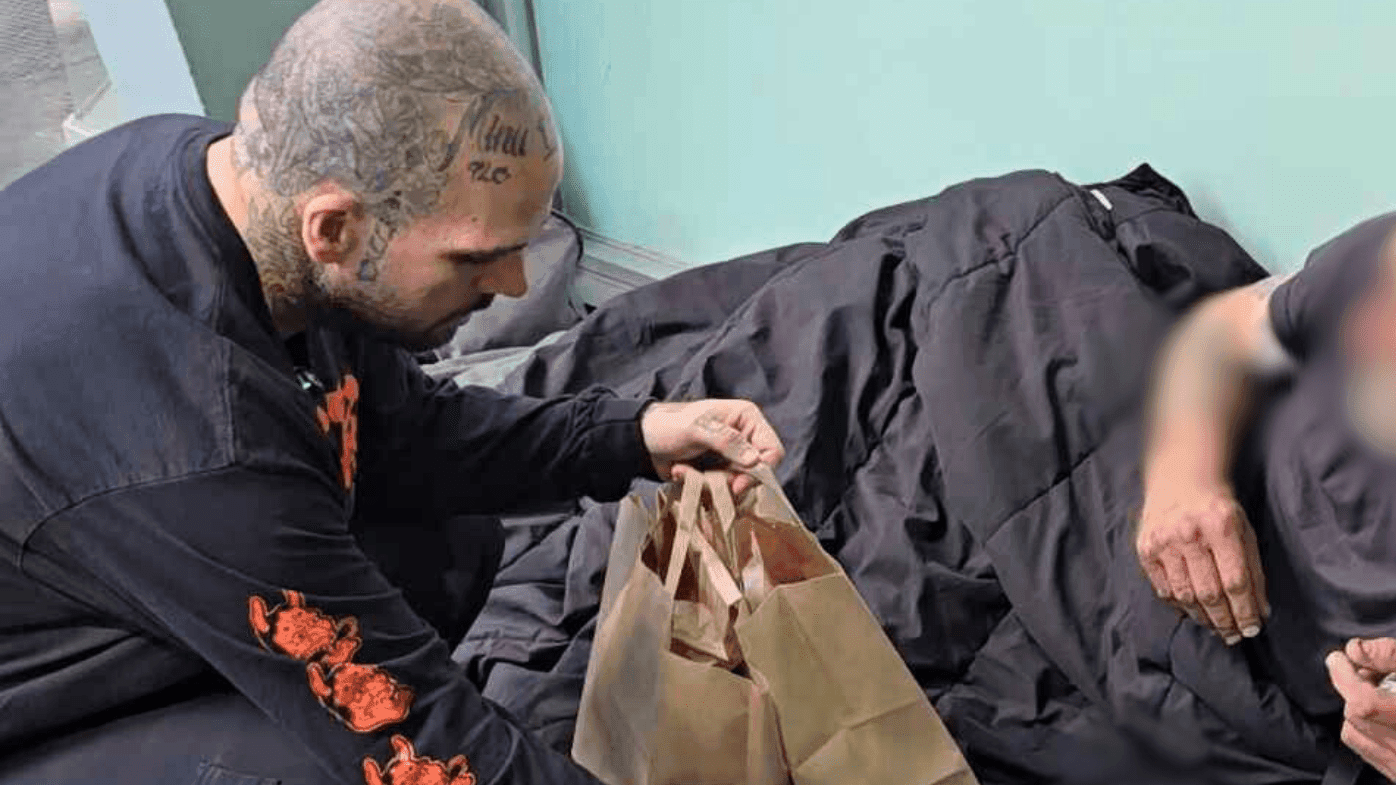
Australian World of Warcraft (WoW) streamer Ryan Dingle, known to the masses as Panda TV — or simply, Panda — has been full-time on Twitch for over a decade. Now, he’s using his dedicated following for more than just streaming video games, promoting a cause close to his heart.
Introducing his self-started charity effort: Project Panda.

What is Project Panda?
Project Panda aims to help disadvantaged youths and the homeless. Speaking with Quest Daily, Panda opened up about his own struggles with homelessness as a teen.
Now, he’s inspired to help break the cycle of poverty. This year, Panda’s swapped streaming for the streets, dedicating time each week working on Project Panda.
“I want to be able to use my platform to raise awareness,” Panda told Quest Daily.
“I’m seeing the situation get worse and worse daily in Australia, and think it’ll get worse before it gets better,” he said.
Homelessness remains a pressing issue in Australia. The 2021 Census estimated 122,494 people were homeless, a 5.2 per cent rise since 2016. In 2022-23, over 273,600 people sought help from Specialist Homelessness Services, with 53 per cent at risk of becoming homeless.
Concerningly, 23 per cent of those seeking help were 18 or younger, and 20 per cent identified as Aboriginal and/or Torres Strait Islander, highlighting persistent vulnerabilities.
How does Project Panda work?
Project Panda relies heavily on donations for basic items, which fill backpacks and are handed out to those in need. Panda puts them together himself at home, with packs tailored for different genders. Items include underwear, socks, amenities, long life snacks – basic essentials for survival.

Once the backpacks are made, he heads out to suburban areas to find those in need. If he encounters the same people, he offers to buy them food as per their request, within reason, so there’s no doubling up of items.
The project hands out anywhere from 10 to 30 backpacks monthly, but Panda stresses he wants to do so much more.
“Ideally I’d like to be able to help people go to rehab,” he said.
“Currently the cheapest private rehab I’ve found is $10,000 for a month, which is more than what I can fundraise but it’s something I’d like to do eventually.”
What’s the next step?
Project Panda aims to become a Public Ancillary Fund, enabling donors to claim tax deductions on their contributions. However, until that status is achieved, Panda still relies on your support.
“I’m currently spending more than I’m raising to build the backpacks,” Panda admitted.
“Once we become a Public Ancillary Fund, I believe it will encourage more donations as people can claim it back on tax,” he said.
Project Panda is currently awaiting approval from the Governor General to receive this verification.
Panda’s teamed up with charity GenerOZity to raise funds for Project Panda to continue making backpacks. His next step is holding donation drives to accrue more items for the backpacks.
“I’ve recently acquired a van for Project Panda to drive to areas to collect items for donation, thanks to the incredible community support I’ve received so far,” Panda told Quest Daily.
“I’d like to drive to regional and rural areas to address the homelessness there,”
“You’ll encounter the same people if you keep going to the same areas, especially within the CBD. There are also many local charities that support homelessness in denser, metro areas, so I aim to head further out where there’s less support,” he said.

Panda continues to use his stream to promote awareness of homelessness and shine a light on people’s stories from the streets.
“I think it’s important to make people aware of the situation and let them understand how they can help in their own way,” he said.
If you’d like to support Project Panda, please reach out to Panda on his website.
—> DONATE <—