The Soulslike genre has become something of a battlefield for indie developers. For every Hollow Knight or Salt and Sanctuary that nails the formula, there are dozens of pretenders that miss the mark entirely. Polish studio Questline’s Tainted Grail: The Fall of Avalon sits somewhere in the fascinating middle ground. It’s a game that demonstrates both the incredible potential and inherent pitfalls of chasing FromSoftware’s lightning in a bottle.
The Soulslike Spectrum: Where Does Tainted Grail Fit?
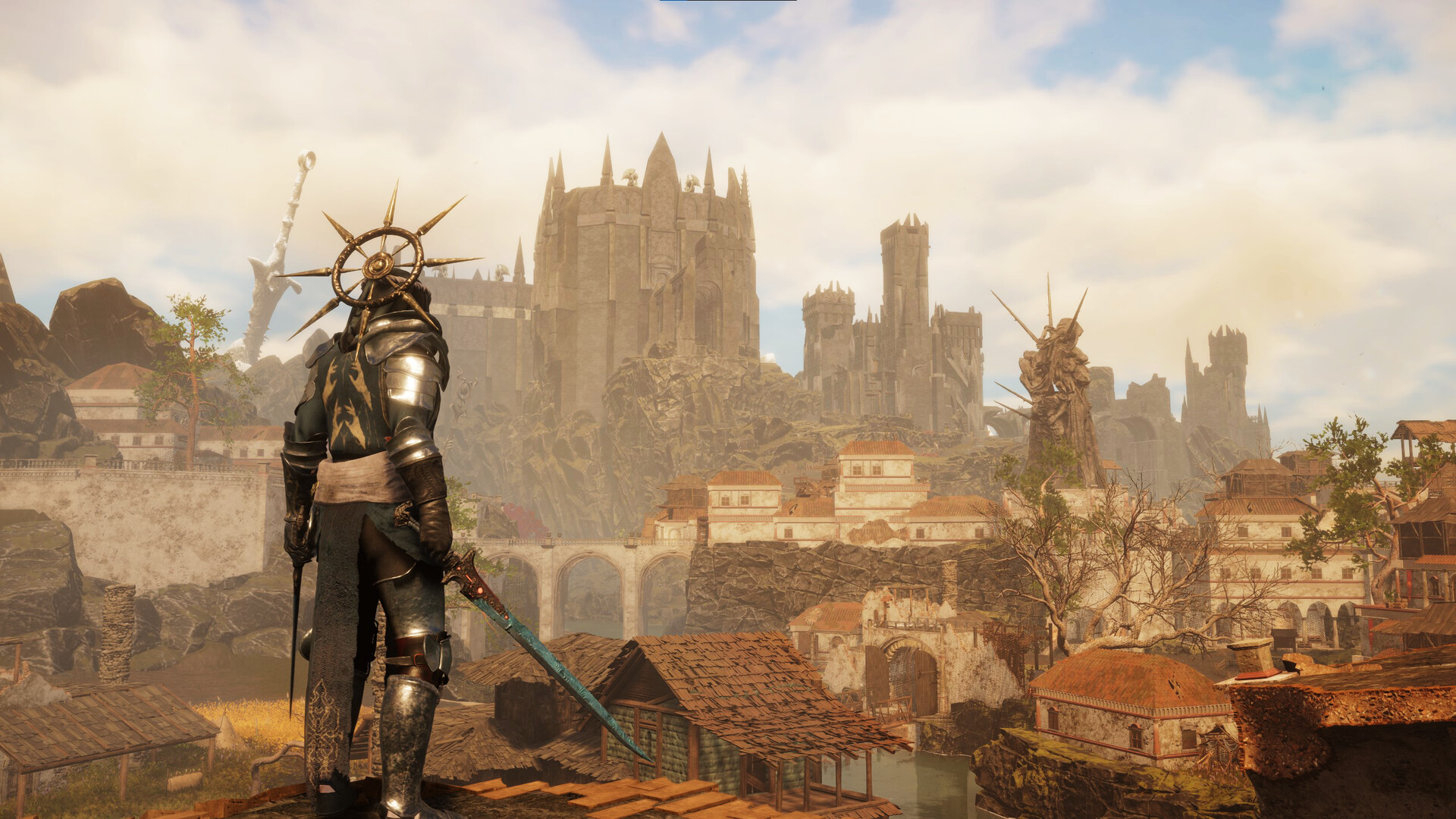
Unlike the medieval fantasy of Dark Souls or the gothic horror of Bloodborne, Tainted Grail plants its flag firmly in post-apocalyptic Arthurian legend. Where Lords of the Fallen leaned heavily into Dark Souls’ visual language — with its towering knights and imposing castles — Tainted Grail opts for something more desperate, a world where hope died centuries ago alongside King Arthur.

READ MORE: Review | The First Berserker: Kahzan (PS5)
The first-person perspective immediately sets it apart from most Soulslikes. While games like The Surge and Salt and Sanctuary stick to third-person views that let you admire your character’s gear and animations, Tainted Grail puts you directly behind the eyes of its protagonist. This creates an intimacy with the world that few other games in the genre achieve, making every encounter feel personal and immediate.
Gameplay Systems That Actually Matter
Tainted Grail’s Bonfire system serves as its take on the traditional rest mechanic. You can create fires at various locations on the map, allowing you to rest, change the time of day, level up, fast travel, cook food, and identify items. This portable system gives players more flexibility than fixed checkpoint locations in other Soulslikes.

The Wyrdness adds a unique day/night cycle element missing from many games in the genre. During nighttime hours, this chaotic primordial force descends upon the land, altering reality and making enemies significantly more dangerous. However, this increased difficulty comes with better rewards and unique encounters that are only available during these dark hours.
READ MORE: Review | Elden Ring Nightreign: ‘Gotta Go Fast!’ (PS5)
Faction Systems create meaningful consequences for your choices throughout the game. Various guilds have their own storylines, and decisions like choosing between Vidar and the Ravens can fundamentally alter your experience. These aren’t just dialogue changes, entire questlines become available or inaccessible based on your faction allegiances.

The game features over 400 unique weapons and 55 spells, allowing for extensive build variety. The dual-wielding system lets you equip weapons, spells, or magical objects called soul cubes in either hand, creating interesting combinations. You can even dual-wield the same spell if you have multiple copies, opening up unique tactical possibilities.
Combat Depth Beyond Button Mashing
Where games like Nioh lean into complex combo systems and Lords of the Fallen emphasises timing-based counters, Tainted Grail builds its combat around the dual-wielding system and spell variety. The magic system stands out with spells that go beyond typical destruction magic. You’ll find abilities that summon wolf hordes, create floating daggers, or even turn enemies into cheese.
The skill system follows the Elder Scrolls model where using abilities improves them. Wearing heavy armor and taking hits gradually increases your heavy armor skill, while using one-handed weapons makes you more proficient with them. This creates a natural progression that rewards consistent playstyles without forcing rigid character builds.

The Long Game Problem
Here’s where Tainted Grail reveals the challenge facing all lengthy Soulslikes: maintaining the crucial balance between challenge and reward over dozens of hours. The game’s three expansive zones can bring the total experience to 50–70 hours. The problem isn’t the length itself, but how that content is distributed.
While the opening areas showcase everything great about the game — tight level design, meaningful encounters, and a sense of constant discovery — many of these systems start feeling repetitive as you progress deeper into Avalon. The game’s difficulty curve becomes more about patience than skill, and enemy variety plateaus.
The Indie Soulslike Dilemma
Ultimately, Tainted Grail represents both the promise and the peril of indie Soulslike development. With a fraction of FromSoftware’s budget, Questline created genuinely innovative mechanics and a compelling world. They proved that small studios can contribute meaningfully to the genre without simply copying existing formulas.

For RPG enthusiasts, Tainted Grail offers a fascinating case study in ambitious indie development. It’s a game that deserves recognition for its innovations, even as it serves as a cautionary tale about scope and pacing in the unforgiving Soulslike genre.
Tainted Grail: The Fall of Avalon is out now, there’s also a free demo available on Steam if you want to try before you buy.