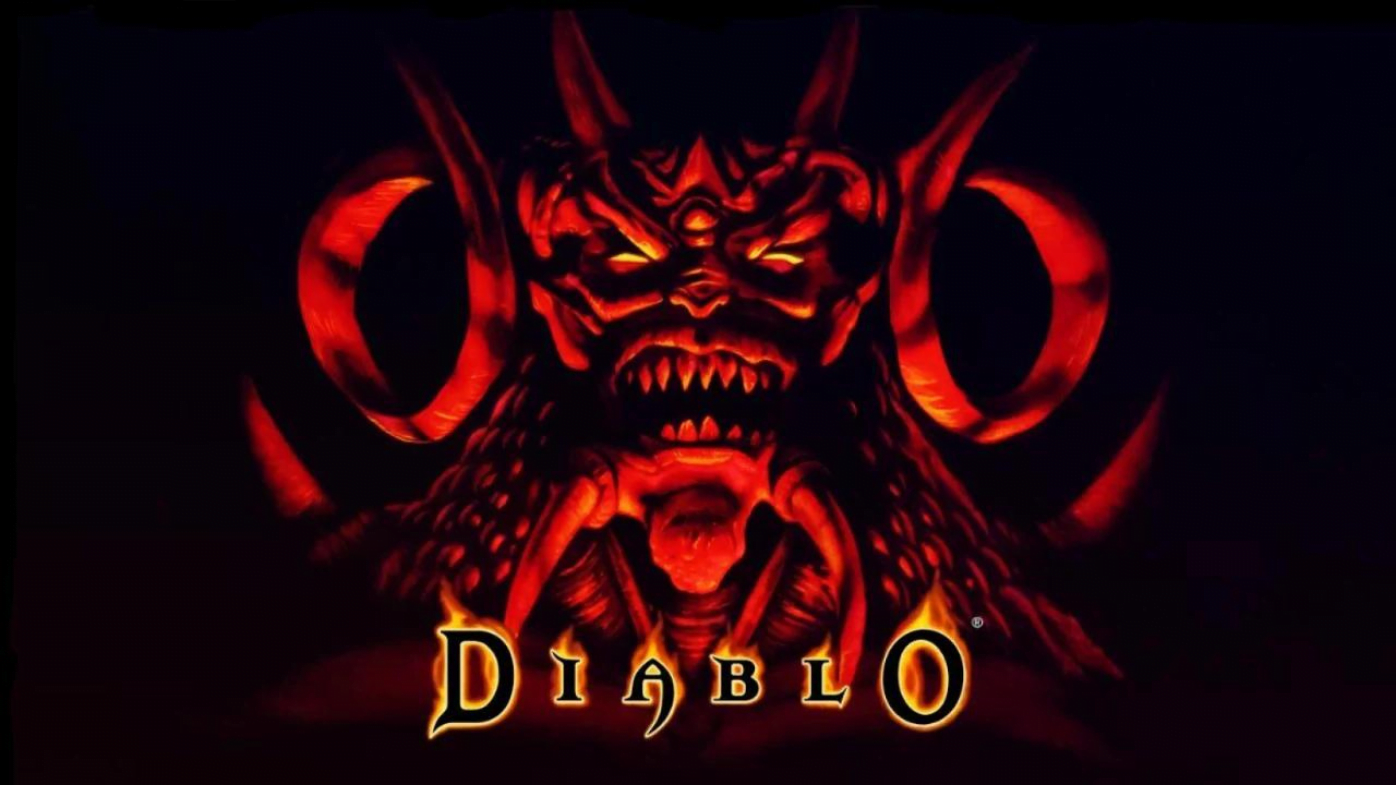
The Diablo franchise, developed by Blizzard Entertainment, immerses players in a dark and treacherous world filled with demons, dungeons, and untold treasures. Combining action-packed gameplay with rich lore, Diablo offers a gripping narrative that has captivated gamers for going on 27 years.
READ MORE: Review | Diablo IV ‘Enthralling experience for players new and old’ (PC)
Here at Quest Daily, we’ve taken a look at the history of the games, highlighting this legendary series ahead of the release of Diablo IV on June 6.
Diablo (1996)

The journey begins in 1996 with the release of the original Diablo, which took the gaming world by storm. Available initially for PC, this stunning action role-playing game allowed players to choose from three character classes – Warrior, Rogue, and Sorcerer – as they ventured through the town of Tristram, battling hordes of demonic creatures in search of the enigmatic Diablo himself.
I still have vivid memories (or perhaps nightmares) of taking on The Butcher.
The game’s atmospheric world, addictive gameplay, and multiplayer mode received critical acclaim, establishing Diablo as a benchmark for the genre. A PlayStation version was developed and released by Electronic Arts in 1998.
Diablo II (2000)

Building upon the success of its predecessor, Diablo II arrived on the scene in the year 2000. This highly anticipated sequel expanded the Diablo universe, introducing new character classes and storyline.
Released for PC, Diablo II launched players into a world ravaged by the demonic forces of the Burning Hells. With its enhanced graphics, immersive gameplay, and addictive loot system, the game was hailed as a masterpiece, captivating both critics and players alike.
Diablo II: Lord of Destruction (2001)
Expanding the Diablo II experience, Lord of Destruction was an expansion pack released in 2001.
This is the game that everyone had the game guide for, whether you played it or not. That was a thing, right?
Lord of Destruction introduced two new character classes – the Assassin and the Druid – along with additional areas to explore and a new act that continued the epic narrative.
The expansion received widespread acclaim, further solidifying Diablo II‘s status as one of the greatest games of its time.
Diablo III (2012)
After more than a decade-long wait, Diablo III finally arrived in 2012. This installment brought a host of improvements, including updated graphics, refined gameplay mechanics, and a captivating story set twenty years after the events of Diablo II.
Players embarked on a deadly journey across the realms, battling powerful foes and collecting legendary loot. While Diablo III faced some initial criticism, subsequent updates and the release of the highly acclaimed Reaper of Souls expansion pack in 2014 transformed the game into a fan favorite.
Diablo III: Reaper of Souls (2014)

Reaper of Souls introduced a new act, raised the level cap, and introduced the Crusader class to Diablo III.
The expansion garnered widespread praise for its engaging content, improved loot system, and the introduction of Adventure Mode, which provided endless replayability.
With its arrival, Diablo III reached new heights and solidified its position as a modern classic.
Diablo III: Eternal Collection (2018)

The Diablo III: Eternal Collection, released in 2018, brought the demon-slaying action to consoles, including PlayStation 4, Xbox One, and Nintendo Switch.
This definitive edition included the base game, Reaper of Souls expansion, and the Rise of the Necromancer.
The console release was well-received, allowing players to experience intense battles and loot hunting from the comfort of their living rooms.
Diablo II: Resurrected (2021)

Diablo II: Resurrected is a remaster of the classic action role-playing game, Diablo II, originally released in 2000. This updated version of the game revamps the iconic dark fantasy world of Sanctuary, with enhanced visuals and audio while staying true to the original gameplay.
The remaster features updated graphics, including 4K resolution, cross-progression across different platforms, and improved online multiplayer. Diablo II: Resurrected to deliver a nostalgic experience for fans and newcomers alike.
Diablo Immortal (2022)
Diablo Immortal marks the franchise’s first move into mobile gaming, offering players a new adventure set between the events of Diablo II and III. The game introduces an online, free-to-play experience, inviting players to explore the dark realms of Sanctuary on their mobile devices.
With six distinct classes to choose from, including the Barbarian, Crusader, Demon Hunter, Monk, Necromancer, and Wizard, players can engage in intense battles and unleash devastating abilities from their thumbs (or a controller should be so inclined).
It’s been downloaded tens of millions of times, but it wasn’t without its controversies. Diablo Immortal was said to be plagued with in-app purchases that many deemed pay-to-win, which is something heavily disputed by Blizzard Entertainment.
Throughout its history, the Diablo franchise has garnered critical acclaim for its immersive gameplay, gripping narratives, and addictive loot systems. The series has consistently been praised for its dark and atmospheric worlds, refined mechanics, and multiplayer experiences.
Each installment has made significant strides in enhancing the franchise, with Diablo II often regarded as a benchmark in the action RPG genre.
Now it’s almost time for the next generation; Diablo IV.
Come June 6, PlayStation, Xbox and PC gamers will be able to dive into the world of Diablo once more.